
Retire in Hua Hin, Thailand: A Guide for British Families
Thailand’s calm royal seaside town: quieter than Pattaya, with two private hospitals and an established British and European community.
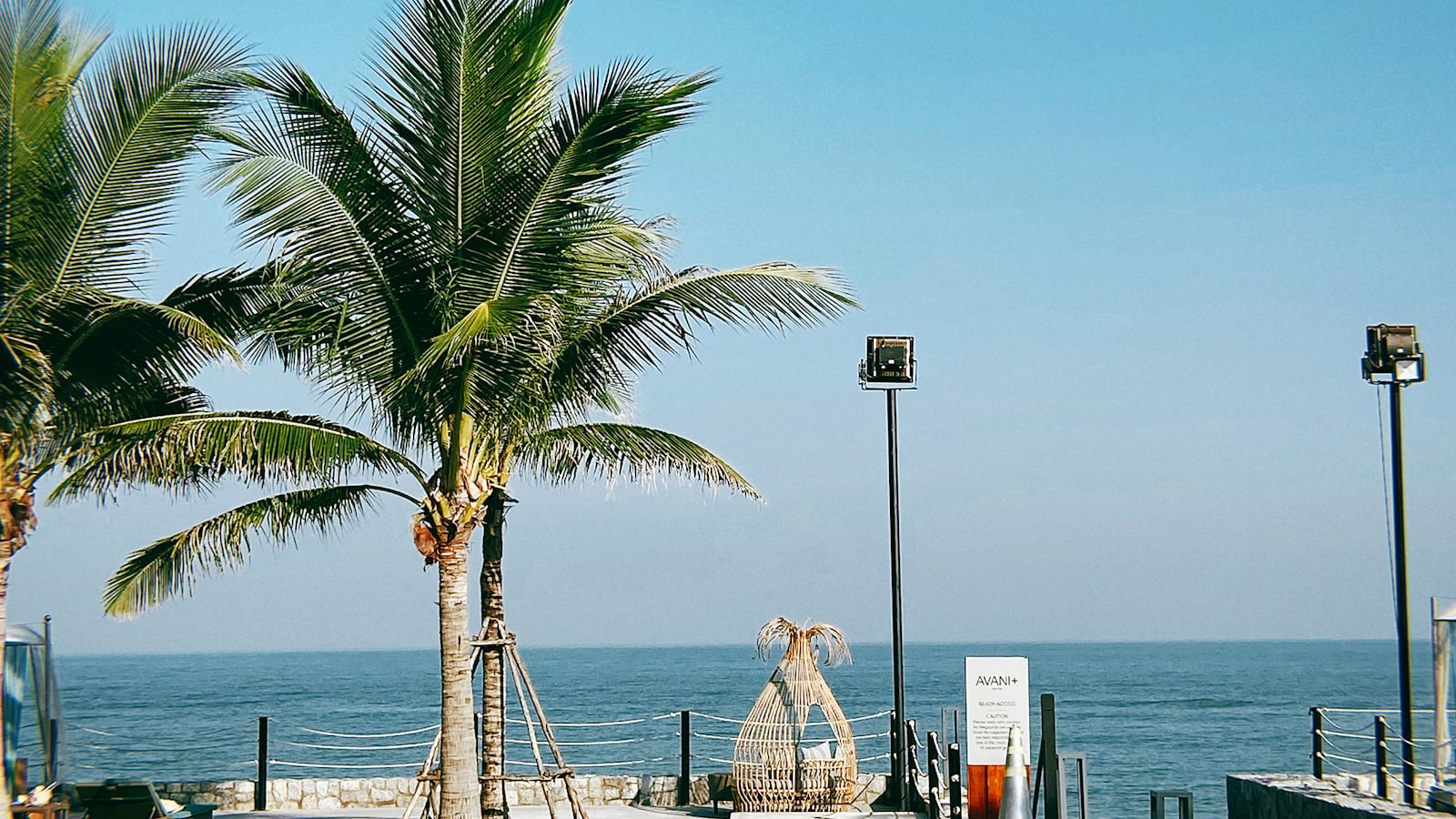
Hua Hin is a seaside town about three hours south of Bangkok by road, and a coastal retreat of the Thai royal family for generations. That heritage still shapes its character: where other Thai beach towns can feel hectic, Hua Hin is orderly and unhurried, with a European feel that British visitors often notice.
Among Thailand's retirement areas, it sits in the middle ground. Chiang Mai in the north has more care homes and a cooler winter, but no coast. Pattaya offers seaside living with big-resort energy. Hua Hin offers the beach without the bustle, and has long been favoured by British and European retirees.
It suits couples and active retirees best: people who picture morning beach walks, a round of golf, long lunches and a community of fellow expats, with private hospitals in town and Bangkok's specialist hospitals within reach for anything complex.
Why Hua Hin Appeals to British Retirees
Relaxed seaside living
A long beach, seafront walks and beach clubs give Hua Hin a restful coastal feel: seaside retirement without the crowds and nightlife of Thailand’s busier resorts.
Royal resort heritage
Hua Hin has been a seaside retreat of the Thai royal family for generations, and the town is known for being calmer and more orderly than other coastal destinations.
An established expat community
A long-standing British and European retiree community means social clubs, familiar faces and English widely used in the places retirees go.
Two private hospitals
Bangkok Hospital Hua Hin (JCI-accredited) and San Paulo Hospital Hua Hin (Thai HA-accredited) serve the town, and Bangkok’s specialist hospitals are about three hours away by road.
Costs to plan for
Living costs are generally a little higher than in northern Thailand. Care prices vary by provider and level of support, so plan from written quotes.
Golf and an active lifestyle
Hua Hin is one of Thailand’s best-known golfing destinations, with several courses around town, plus night markets, dining and coastal walks.
Healthcare and Hospitals in Hua Hin
For a town of its size, Hua Hin is well served by private healthcare. Two established private hospitals cover everyday medical needs, outpatient clinics and emergency care, and English-speaking staff are commonly available:
- Bangkok Hospital Hua Hin: part of one of Thailand's largest private hospital groups, JCI-accredited since 2012 and used routinely by the town's expat community.
- San Paulo Hospital Hua Hin: a long-established private hospital holding Thai hospital accreditation (HA), a further option for general and emergency care.
For highly specialist treatment, such as complex cardiology, oncology or advanced diagnostics, Bangkok's private hospitals are about three hours away by road. Day trips for planned consultations are practical, but emergencies need a clear plan, so ask any care provider how it handles transfers.
Care Options and Costs
Care in Hua Hin spans help at home for largely independent retirees, daily carer visits and live-in support, with a smaller number of care homes than Chiang Mai or Pattaya. Because the choice is narrower, it is worth checking early which providers could realistically meet the person's needs.
Costs depend on the level of care and the provider, and prices change. Ask each provider for a written, itemised quote. Our budget planning guide lists every cost to include, and our guide to home care in Thailand sets out what a provider’s proposal should state.
Lifestyle, Climate, and Getting There From the UK
Daily life revolves around the coast: the long beach, seafront walks and beach clubs, with several golf courses around town. Evenings bring night markets and a broad dining scene. The climate is tropical, with average temperatures from about 23°C to 34°C through the year, so outdoor life carries on in every season.
The journey from the UK
Fly direct from London to Bangkok (around 11.5 hours), then continue to Hua Hin by road, which takes about three hours and longer in traffic. Hua Hin's small airport has only a few domestic routes and no flights from Bangkok or abroad, so the road transfer is the standard route. Private transfers are easy to arrange, and buses and trains also run the route.
For visiting family, the journey is manageable for regular trips, and the town has accommodation at every budget.
Things to Consider
Better to choose Hua Hin with eyes open than discover its trade-offs after moving.
No direct air route from Bangkok
Every journey from the UK routes through Bangkok, followed by about three hours by road. After an 11.5-hour flight, that final leg can be tiring, especially for older travellers. Plan an overnight stop in Bangkok if stamina is a concern.
Warm and humid all year
Average temperatures run from lows of about 23°C to highs of about 34°C. Unlike the north, there is no genuinely cool season, and the heat and humidity can be hard work for people who struggle in warm weather or have certain health conditions.
Fewer care homes than Chiang Mai or Pattaya
A September 2026 guide from Thailand Starter Kit notes that Chiang Mai has the widest choice of expat-friendly retirement homes, with Pattaya next, while Hua Hin has only a handful. Families with specialist care needs should compare areas before deciding.
Costs a little higher than the north
The coast and the town’s calm character come at a price. If budget is the deciding factor, northern Thailand generally stretches further.
Quiet by design
The calm that draws many retirees to Hua Hin can feel sleepy to others. For big-city energy or a busy events calendar, Pattaya or Bangkok may suit better.
Frequently Asked Questions
Do I need a visa to retire in Hua Hin?
Yes. Most British retirees aged 50 or over use the Non-Immigrant O-A (long stay) visa, applied for online through the Royal Thai Embassy in London and then extended each year in Thailand. It needs either a UK or Irish bank balance of 800,000 THB or income of at least 65,000 THB a month, plus health insurance of at least USD 100,000 or 3,000,000 THB. Requirements change, so check the current rules with the embassy before making plans. Our retirement visa guide explains the process; BAAN does not issue visas or give immigration advice.
How good are the hospitals in Hua Hin?
Hua Hin has two established private hospitals. Bangkok Hospital Hua Hin has held Joint Commission International accreditation since 2012, and San Paulo Hospital Hua Hin holds Thai hospital accreditation (HA). Both provide everyday and emergency care, with English-speaking staff commonly available. For highly specialist treatment, Bangkok’s private hospitals are about three hours away by road.
How do we visit a relative in Hua Hin from the UK?
Fly direct from London to Bangkok (around 11.5 hours), then travel on to Hua Hin by road, which takes about three hours and longer in heavy traffic. Hua Hin’s small airport has only a few domestic routes and no flights from Bangkok or abroad, so the road transfer is the standard route. Private transfers, buses and trains all run the route.
What does care in Hua Hin actually cost?
It depends on whether the person needs light help at home, daily carer visits or full-time support, and on the provider. Prices change, so we do not quote an average. Hua Hin has fewer care homes aimed at expats than Chiang Mai or Pattaya, so compare options early and ask each provider for a written, itemised quote. Our budget planning guide lists the costs to include.
Last reviewed 28 September 2026. Hospital accreditation, flights and climate figures were checked against the sources below on that date. Costs vary by provider and change over time, so ask for written quotes. This guide is general information, not medical, financial or immigration advice.
Start with a free introductory conversation
Tell us what you are looking for and we will explain what is realistic. Availability depends on location, needs and provider assessment.
Request an introductory call