
Retire in Chiang Mai, Thailand: A Guide for British Families
One of Thailand’s best-known retirement cities for British families: a wide choice of care homes, accredited hospitals, and a cooler mountain setting.
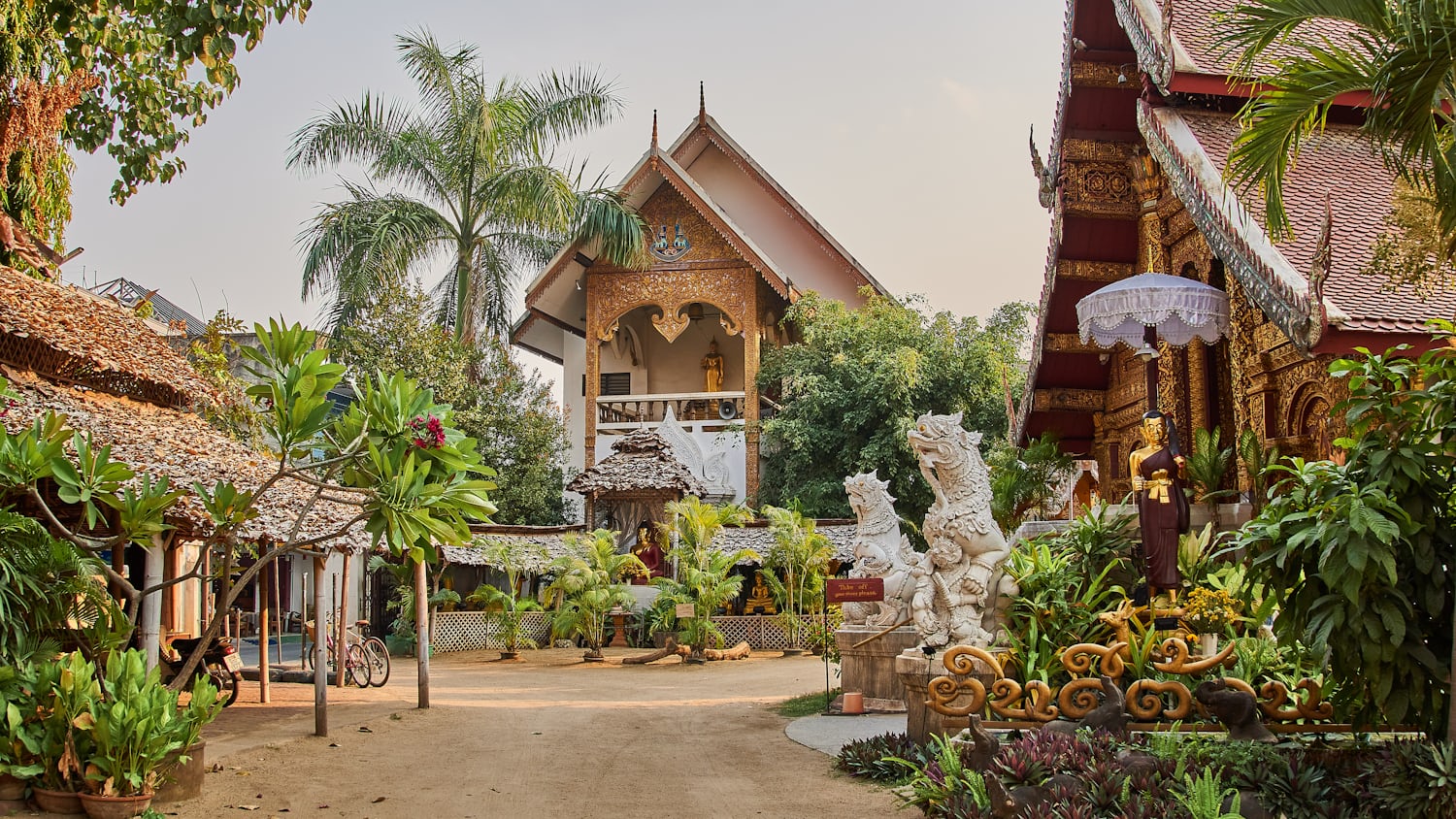
When British families research retirement or care in Thailand, Chiang Mai is the name that comes up most often. The northern capital has a long-established international community and, according to a September 2026 guide from Thailand Starter Kit, the widest choice of expat-friendly retirement homes in the country. For families arranging things from thousands of miles away, that choice matters.
Chiang Mai's appeal is different from the coastal resorts. Instead of beaches, it offers cooler winters, centuries of Lanna culture and a gentler pace of life. Several care homes that advertise dementia care are based in and around the city, such as Care Resort Chiang Mai in Mae Rim and Baan Lalisa, which has several homes in the area. These are examples of what exists, not BAAN partners, and whether any provider suits a particular person depends on its own assessment.
This guide covers what British families most want to know: the hospitals, the care options and costs, the climate and lifestyle, how to get there from the UK, and the genuine drawbacks to weigh before deciding.
Why Chiang Mai Draws So Many British Retirees
A wide choice of care homes
A September 2026 guide from Thailand Starter Kit describes Chiang Mai as having the widest choice of expat-friendly retirement homes in Thailand. More options can make it easier to find the right fit.
A large international community
Chiang Mai has a long-established international community, with expat clubs and support networks that can make settling in easier for retirees and visiting relatives.
Cooler winters
Ringed by mountains, Chiang Mai has a genuinely cool season: average January lows are about 16°C. The hot season is hotter, with average April highs of about 37°C.
Costs to plan for
Living costs are generally lower than in Bangkok or the coastal resorts, but care prices vary widely between providers. Plan from written, itemised quotes.
JCI-accredited hospitals
Bangkok Hospital Chiang Mai and Chiangmai Ram Hospital both hold Joint Commission International accreditation and serve the international community.
Culture on the doorstep
The old walled city, hundreds of temples, morning markets and a gentle northern pace of life, without big-city stress.
Healthcare & Hospitals
Healthcare is usually a family's first question. Chiang Mai's two best-known private hospitals for international patients, Bangkok Hospital Chiang Mai and Chiangmai Ram, both hold Joint Commission International accreditation and are used by the expat community for everything from check-ups to emergency admissions. When comparing care homes, ask which hospital each one uses, how residents get there, and how long it takes.
Care Options & Costs
Chiang Mai has a wide range of care: home care, assisted living, residential care with nursing, and homes that advertise dementia care. The wider ecosystem of English-speaking carers, physiotherapists and visiting doctors is also well developed. Capability still differs between providers, so ask each one which needs it can and cannot meet.
Costs depend on the level of care and the provider. Published prices at expat-oriented homes often list the room and the care separately, and advertised starting prices may cover only a shared room and breakfast. Ask for a written, itemised quote. Our budget planning guide lists every cost to include.
Lifestyle, Climate & Getting There From the UK
Chiang Mai's mountain setting gives it cooler winters than the coast. The cool season, from about November to February, brings crisp mornings (average January lows of about 16°C) and dry, sunny days. The rainy season, roughly June to October, brings short, heavy downpours, and the hot months of March to May are best spent in the shade, with average April highs of about 37°C. Day to day, life revolves around markets, temples, cafés and gardens rather than beach clubs.
There are no direct flights from London to Chiang Mai. Most people fly direct to Bangkok (around 11.5 hours) and connect to a domestic flight of about 1 hour 20 minutes, with frequent departures. Chiang Mai also has international flights from several regional hubs, which can make a one-stop route possible. Allowing for the connection, most journeys take 15 to 17 hours door to door.
Things to Consider
It is better to choose Chiang Mai with your eyes open than discover its drawbacks after moving.
The burning season (roughly February to April)
Agricultural burning across northern Thailand raises PM2.5 air pollution for several weeks most years, usually worst in March and sometimes stretching from January to May. For older people with respiratory conditions such as asthma or COPD, this is a genuine consideration, not a footnote. Ask whether a home uses air purifiers, discuss it with a GP, plan visits outside these months if air quality is a concern, or weigh up a coastal location instead.
No direct flights from the UK
There are no direct flights from London to Chiang Mai. Most people connect in Bangkok for a domestic flight of about 1 hour 20 minutes, and Chiang Mai also has international flights from several regional hubs. The connection adds a few hours to an already long trip.
A long way from the sea
Chiang Mai is inland. If a sea view or daily beach walk matters, Hua Hin, Pattaya or Phuket will suit better. Chiang Mai’s charms are temples, mountains and gardens rather than sand.
The hot season can be draining
From roughly March to May, daytime temperatures regularly reach the mid-30s. Air-conditioned homes handle it well, but frail residents tend to stay indoors through the hottest afternoons.
Chiang Mai: Your Questions Answered
What visa does an elderly parent need to retire in Chiang Mai?
Most British retirees aged 50 or over use the Non-Immigrant O-A (long stay) visa, applied for online through the Royal Thai Embassy in London and then extended each year in Thailand. It needs either a UK or Irish bank balance of 800,000 THB or income of at least 65,000 THB a month, plus health insurance of at least USD 100,000 or 3,000,000 THB. Requirements change, so check the current rules before applying. Our retirement visa guide explains the process; BAAN does not issue visas or give immigration advice.
Are Chiang Mai’s hospitals good enough for elderly care?
For most needs, yes. Bangkok Hospital Chiang Mai and Chiangmai Ram are private hospitals with Joint Commission International accreditation, English-speaking international services and 24-hour emergency departments, used routinely by the city’s expat community. For rare or highly complex conditions, Bangkok’s specialist hospitals are about 1 hour 20 minutes away by air. When comparing care homes, ask which hospital each one uses and how long the journey takes.
How long does it take to visit Chiang Mai from the UK?
There are no direct flights from London. Direct flights to Bangkok take around 11.5 hours, and the domestic flight on to Chiang Mai about 1 hour 20 minutes, with frequent departures. Allowing for the connection, a realistic door-to-door journey is 15 to 17 hours. Chiang Mai also has flights from several regional hubs, which can offer one-stop routes that avoid Bangkok.
What does care in Chiang Mai typically cost?
It depends on the level of care and the provider, and prices change, so we do not quote an average. Published prices at expat-oriented homes often list the room and the care separately, and specialist dementia care usually costs more. Ask for a written, itemised quote for the person’s situation. Our budget planning guide lists the costs to include.
Last reviewed 28 September 2026. Hospital accreditation, flights and climate figures were checked against the sources below on that date. Costs vary by provider and change over time, so ask for written quotes. This guide is general information, not medical, financial or immigration advice.
- Joint Commission International: accredited organisations in Thailand
- Thailand Starter Kit: retirement homes in Thailand (September 2026)
- Chiang Mai climate averages, 1991–2020 (Thai Meteorological Department data)
- NASA Earth Observatory: smoke over northern Thailand
- Chiang Mai International Airport: routes
Start with a free introductory conversation
Tell us what you are looking for and we will explain what is realistic. Availability depends on location, needs and provider assessment.
Request an introductory call