
Retire in Bangkok, Thailand: A Guide for British Families
Why Thailand’s capital suits people who want hospitals close at hand, and what to weigh up honestly before deciding.
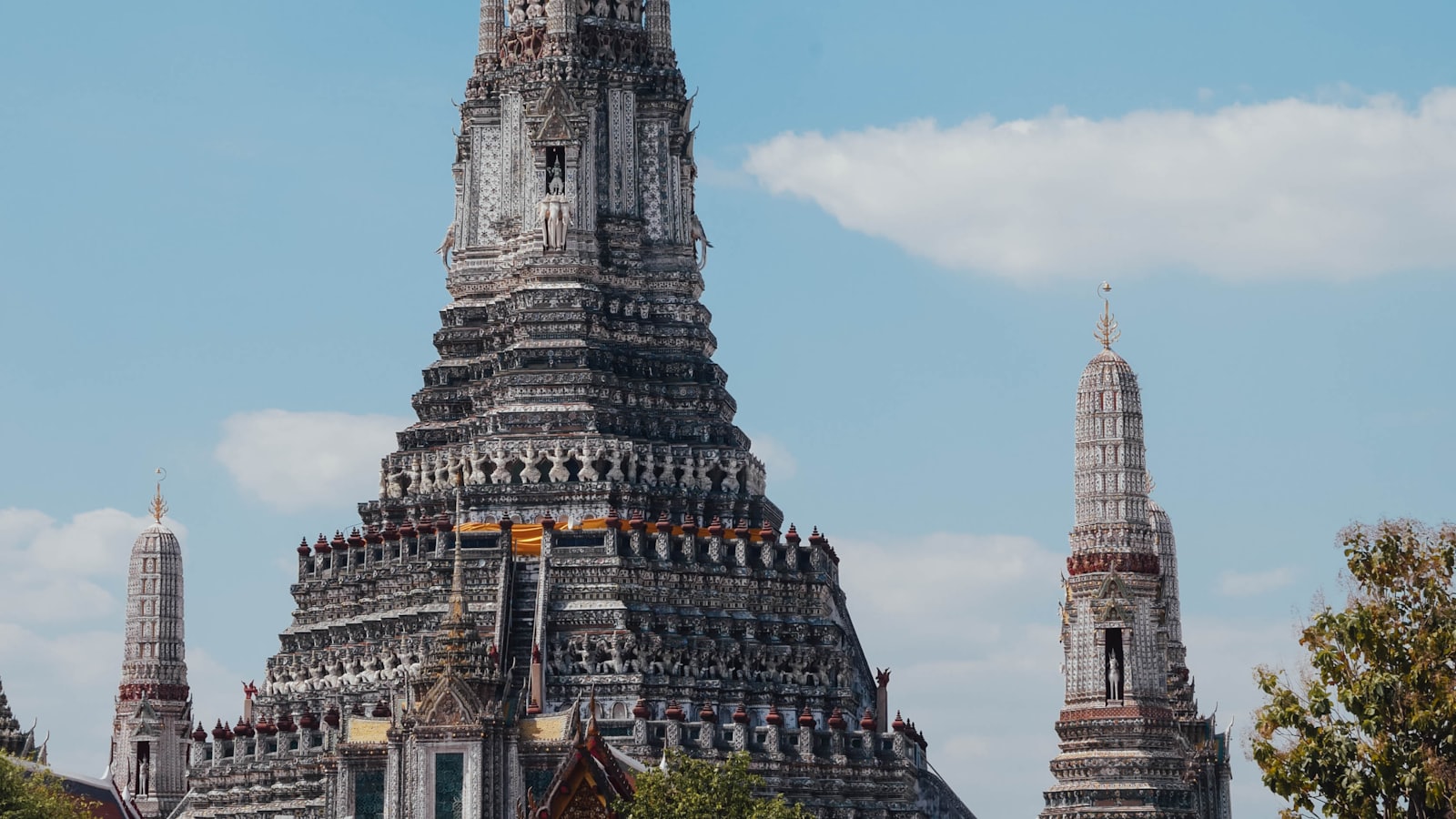
Many British families weighing up Thailand start with one question: how quickly could we reach a good hospital if something went wrong? If that question sits at the top of your list, Bangkok deserves a close look. Thailand’s capital has the country’s largest cluster of internationally accredited hospitals, including well-known names such as Bumrungrad International, BNH and Samitivej, and it is the only Thai city with year-round direct flights from London.
Bangkok is not the picture-postcard retirement setting. Chiang Mai has the mountains and, according to a September 2026 guide from Thailand Starter Kit, the widest choice of expat-friendly retirement homes; Hua Hin and Pattaya have the sea. What Bangkok offers instead is immediacy: specialist consultants, advanced diagnostics and intensive care close at hand. For people with complex or unstable medical conditions, that proximity can outweigh everything else.
It is also one of the more expensive and more intense places to live in Thailand. This guide covers the hospitals, care options, costs, lifestyle and travel from the UK, and the honest reasons Bangkok does not suit everyone.
Why Bangkok
The widest choice of hospitals
Bangkok has Thailand’s largest cluster of JCI-accredited healthcare organisations, including Bumrungrad International, BNH and Samitivej, with English-speaking international departments.
Specialist access
For people who need regular specialist input, such as cardiology, neurology or oncology, Bangkok offers the most extensive specialist access in Thailand.
Direct London flights
Bangkok is the only Thai city with year-round direct London flights: Thai Airways and EVA Air from Heathrow, and British Airways from Gatwick, in around 11.5 hours.
An international city
English is widely used in hospitals, banks and international services, and familiar shops and restaurants are easy to find.
Getting around without driving
The BTS Skytrain and MRT put much of the city within reach without a car, and taxis and ride-hailing apps are widely available, which helps visiting relatives too.
Costs to plan for
Bangkok is one of the more expensive places in Thailand for housing and many services. Costs vary widely by neighbourhood and by the level of care, so plan from written quotes.
Healthcare & Hospitals
Bangkok concentrates more medical capability than anywhere else in Thailand. Its leading private hospitals treat international patients routinely, and English is the working language of their international departments. Examples British families often come across:
In practical terms, second opinions can usually be arranged quickly, scans rarely involve long waits, and medical reports can be provided in English for a UK GP or consultant. For conditions that flare unpredictably, such as heart disease, respiratory illness or cancer under active treatment, that responsiveness is Bangkok’s biggest advantage. Private treatment is expensive without suitable insurance.
Care Options & Costs
Bangkok has home care agencies, nursing homes and long-term care providers, including several with JCI accreditation. Many families arrange care at home: a condominium or serviced apartment near the chosen hospital, with visiting or live-in care and nursing input as needs change. Resort-style retirement communities aimed at Western residents are more common in Chiang Mai and around Pattaya.
Costs depend on the level of care, the provider and the neighbourhood, and Bangkok is generally one of the more expensive places in Thailand. Ask each provider for a written, itemised quote. Our budget planning guide lists every cost to include, and our guide to home care in Thailand sets out what a provider’s proposal should state.
Lifestyle, Climate & Getting There From the UK
Bangkok is hot all year. Average temperatures run from lows of about 23°C in December to highs of about 36°C in April, with a hot season from around March to May, a rainy season from roughly June to October, and a slightly cooler, drier stretch from November to February. Homes, hospitals, shopping centres and transport are air-conditioned, and parks such as Lumpini are at their best in the early morning.
For people who enjoy city living, there is food at every price point, international supermarkets, English-language cinema and a busy cultural calendar. The BTS Skytrain and MRT make much of the city accessible without driving.
Getting there is the simplest journey in Thailand. Direct flights from London take around 11.5 hours: Thai Airways and EVA Air fly from Heathrow, and British Airways from Gatwick. For comparison, Chiang Mai is a further domestic flight of about 1 hour 20 minutes from Bangkok, Chiang Rai about 1 hour 30 minutes, and Hua Hin about three hours by road.
Things to Consider
Bangkok is the wrong fit for some people. These are the honest reasons why.
The heat rarely lets up
With high humidity and only a short, slightly cooler season, the heat can be taxing for older people with heart or respiratory conditions. Discuss it with a GP before committing.
Traffic, noise and urban intensity
Bangkok’s congestion is famous, pavements can be uneven, and the city rarely feels restful. If peace and greenery matter most, look at Chiang Mai or Hua Hin instead.
It is one of the more expensive options
Housing and many services cost more than in the north. The premium buys hospital proximity: worth paying for complex medical needs, harder to justify otherwise.
Fewer resort-style settings
Care in Bangkok is often arranged at home or in a city care setting rather than a resort-style community with gardens. That suits many people, but it is not the setting some families picture.
Air quality dips in the cooler months
Bangkok has spells of higher air pollution, usually between December and February. They are generally milder than the north’s burning season, but anyone with a significant respiratory condition should factor them in and take medical advice.
Frequently Asked Questions
Are Bangkok’s hospitals comparable to UK hospitals?
Bangkok’s leading private hospitals, such as Bumrungrad International, BNH and Samitivej, hold Joint Commission International (JCI) accreditation, treat international patients routinely and have English-speaking international departments. Waiting times for consultations and scans are usually short. The main difference is funding: treatment is paid for privately or through insurance, so budget for medical costs and keep suitable cover in place.
How much does care in Bangkok cost?
It depends on the level of care, the provider and the neighbourhood, and prices change, so we do not quote an average. Bangkok is generally one of the more expensive places in Thailand. Ask each provider for a written quote that says what is included and how the price changes if more care is needed. Our budget planning guide lists the costs to include.
How easy is it to visit from the UK?
Bangkok is the easiest place in Thailand to reach from the UK. Thai Airways and EVA Air fly direct from Heathrow and British Airways from Gatwick, in around 11.5 hours, landing at Suvarnabhumi Airport, which is connected to the city by rail and taxi. There is no domestic connection to add, unlike Chiang Mai or Chiang Rai.
What visa would my parent need to retire in Bangkok?
Most British retirees aged 50 and over use the Non-Immigrant O-A (long stay) visa, applied for online through the Royal Thai Embassy in London. It needs financial evidence and health insurance of at least USD 100,000 or 3,000,000 THB, among other documents. Requirements change, so confirm them with the embassy before applying. Our retirement visa guide explains the process; BAAN does not issue visas or give immigration advice.
Last reviewed 28 September 2026. Hospital accreditation, flights and climate figures were checked against the sources below on that date. Costs vary by provider and change over time, so ask for written quotes. This guide is general information, not medical, financial or immigration advice.
- Joint Commission International: accredited organisations in Thailand
- British Airways: 2026 schedule including Bangkok
- Bangkok climate averages, 1991–2020 (Thai Meteorological Department data)
- Thailand Starter Kit: retirement homes in Thailand (September 2026)
- GOV.UK: health advice for Thailand, including air pollution
Start with a free introductory conversation
Tell us what you are looking for and we will explain what is realistic. Availability depends on location, needs and provider assessment.
Request an introductory call